Build Wealth Through Underutilized Land Opportunities
- Dede Russell
- May 12
- 4 min read
In today's fast-paced world, many individuals overlook the potential of underutilized land as a pathway to wealth. While traditional investments like stocks and bonds often dominate financial discussions, land offers unique opportunities that can yield significant returns. This blog post will explore various strategies for leveraging underutilized land, providing practical insights and examples to help you navigate this often-overlooked investment avenue.
Understanding Underutilized Land
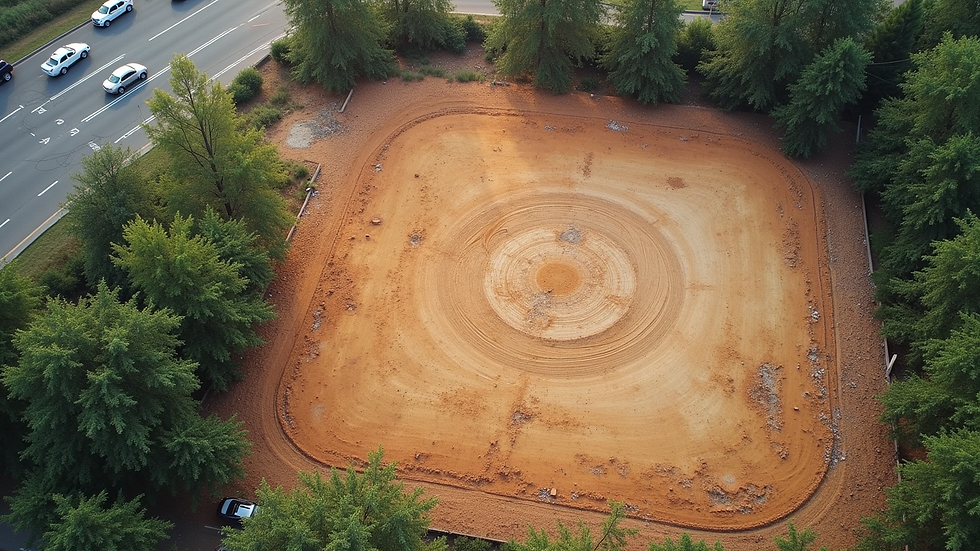
Underutilized land refers to parcels that are not being used to their full potential. This can include vacant lots, agricultural land that is not being farmed, or properties with outdated structures. The key to building wealth through these opportunities lies in recognizing their potential and taking strategic action.
Types of Underutilized Land
Vacant Lots
These are often found in urban areas where development has stalled. Investors can purchase these lots at a lower price and develop them for residential or commercial use.
Agricultural Land
Farmland that is not being actively farmed can be leased to local farmers or converted into community gardens or recreational spaces.
Brownfield Sites
These are previously developed lands that may be contaminated. With proper remediation, they can be transformed into valuable properties.
Underdeveloped Properties
Properties with outdated buildings can be renovated or repurposed to meet current market demands.
Why Invest in Underutilized Land?
Investing in underutilized land can be a smart financial move for several reasons:
Lower Initial Investment
Purchasing underutilized land often requires a smaller upfront investment compared to developed properties.
Potential for Appreciation
As urban areas expand, the value of previously overlooked land can increase significantly.
Diverse Income Streams
Land can be used for various purposes, including residential, commercial, or agricultural, providing multiple avenues for income.
Tax Benefits
Depending on your location, there may be tax incentives for developing or improving underutilized land.
Strategies for Building Wealth
1. Research and Identify Opportunities
The first step in leveraging underutilized land is thorough research. Look for areas with growth potential, such as those near developing neighborhoods or infrastructure projects. Utilize online resources, local government databases, and real estate listings to identify potential properties.
2. Assess the Land's Potential
Once you identify a property, assess its potential uses. Consider factors such as zoning regulations, environmental conditions, and market demand. For example, a vacant lot in a residential area may be suitable for building single-family homes, while agricultural land might be ideal for community farming initiatives.
3. Develop a Business Plan
Creating a detailed business plan is crucial for maximizing your investment. Outline your goals, budget, and timeline for development. Consider the following elements:
Target Market
Identify who will benefit from your development. Are you targeting families, businesses, or agricultural producers?
Funding Sources
Explore financing options, including traditional loans, grants, or partnerships with local organizations.
Marketing Strategy
Develop a plan for promoting your project to attract potential buyers or tenants.
4. Engage with Local Communities
Building relationships with local communities can enhance your project's success. Attend community meetings, engage with local leaders, and seek input from residents. This approach not only fosters goodwill but can also provide valuable insights into community needs and preferences.
5. Implement Sustainable Practices
Incorporating sustainable practices into your development can increase its appeal and long-term viability. Consider eco-friendly building materials, renewable energy sources, and water conservation techniques. Sustainable developments often attract environmentally conscious buyers and tenants.
Case Studies of Successful Land Investments
Transforming Vacant Lots into Community Spaces
In many urban areas, vacant lots have been transformed into vibrant community spaces. For instance, a vacant lot in Detroit was converted into a community garden, providing fresh produce to local residents and fostering community engagement. This project not only improved the neighborhood's aesthetics but also increased property values in the surrounding area.
Agricultural Land Leasing
In rural areas, underutilized agricultural land can be leased to local farmers. For example, a landowner in California leased their unused farmland to a startup focused on organic farming. This arrangement provided the landowner with a steady income while supporting local agriculture and sustainability.
Challenges to Consider
While investing in underutilized land can be rewarding, it is not without challenges. Here are some common obstacles to be aware of:
Zoning Regulations
Understanding local zoning laws is crucial. Some properties may have restrictions that limit their potential uses.
Environmental Concerns
Properties with contamination issues may require costly remediation before development can begin.
Market Fluctuations
Real estate markets can be unpredictable. It's essential to stay informed about market trends and adjust your strategy accordingly.
Conclusion
Investing in underutilized land presents a unique opportunity to build wealth while contributing to community development. By conducting thorough research, assessing potential uses, and engaging with local communities, you can unlock the hidden value of these properties. As urban areas continue to grow and evolve, the demand for innovative land use will only increase. Take the first step today by exploring the underutilized land opportunities in your area and envisioning how you can transform them into profitable ventures.
By recognizing the potential of underutilized land, you can not only enhance your financial future but also make a positive impact on your community. Start your journey today and discover the wealth-building possibilities that await you.


Comments