Transforming Vacant Land Into Sustainable Investments
- Dede Russell
- May 12
- 5 min read
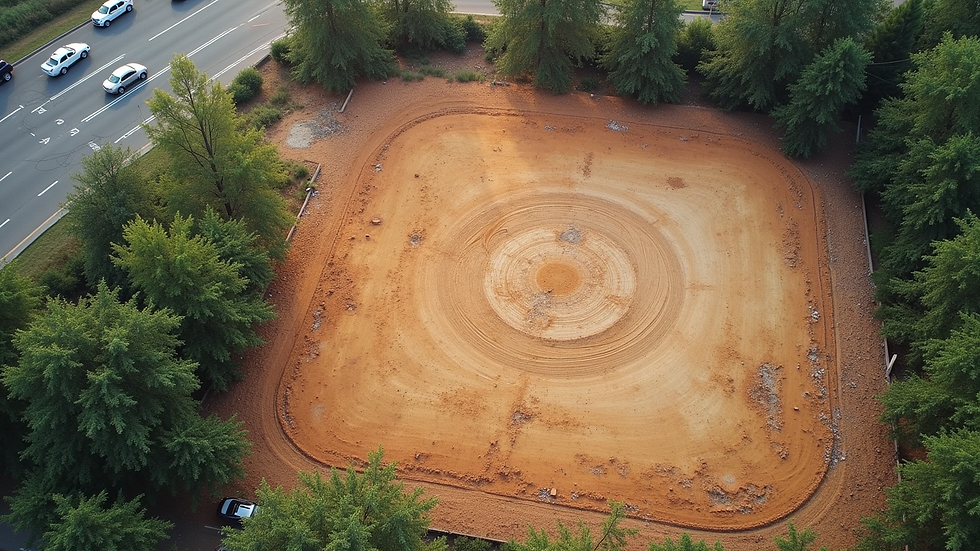
Vacant land often sits idle, overlooked and underutilized. However, with the right vision and strategy, it can be transformed into a sustainable investment that not only generates income but also contributes positively to the environment and community. This blog post explores how to turn vacant land into valuable assets, focusing on practical strategies, real-world examples, and the benefits of sustainable development.

Understanding the Potential of Vacant Land
Vacant land is more than just an empty plot; it represents a canvas for innovation and sustainability. The potential uses for vacant land are vast, ranging from agricultural projects to renewable energy installations. Understanding this potential is the first step toward transforming these spaces into sustainable investments.
Types of Vacant Land Investments
Agricultural Development
Community Gardens: Transforming vacant lots into community gardens can provide fresh produce for local residents while fostering community engagement.
Urban Farms: These can be established in cities to supply local markets with organic produce, reducing food miles and promoting sustainability.
Renewable Energy Projects
Solar Farms: Installing solar panels on vacant land can generate clean energy and provide a steady income stream through power purchase agreements.
Wind Farms: If the land is in a suitable location, wind turbines can harness natural resources to produce energy.
Eco-Friendly Housing
Sustainable Communities: Developing eco-friendly housing can address housing shortages while minimizing environmental impact through green building practices.
Tiny Home Villages: These can provide affordable housing solutions and promote a minimalist lifestyle.
Recreational Spaces
Parks and Green Spaces: Creating parks can enhance community well-being and increase property values in surrounding areas.
Nature Reserves: Preserving natural habitats can attract tourism and promote biodiversity.
Assessing the Land
Before embarking on any project, it is crucial to assess the land's potential. This involves understanding zoning laws, environmental regulations, and the local market. Here are key steps to consider:
Conducting a Land Survey
A professional land survey will provide insights into the land's boundaries, topography, and any existing structures. This information is essential for planning any development.
Evaluating Soil Quality
For agricultural projects, soil quality is paramount. Conduct soil tests to determine its suitability for farming or gardening. Poor soil can often be improved with amendments.
Understanding Zoning Regulations
Zoning laws dictate how land can be used. Research local regulations to ensure your intended use is permissible. If necessary, consider applying for zoning changes.
Developing a Sustainable Plan
Once the land has been assessed, the next step is to develop a sustainable plan. This plan should outline the project's goals, timeline, and budget.
Setting Clear Objectives
Define what you want to achieve with the land. Are you looking to generate income, provide community services, or promote environmental sustainability? Clear objectives will guide your planning process.
Creating a Budget
Develop a detailed budget that includes all costs associated with the project, such as land preparation, construction, and ongoing maintenance. Consider potential funding sources, such as grants or community investments.
Engaging the Community
Involving the community in the planning process can lead to greater support and success. Host meetings to gather input and foster a sense of ownership among local residents.
Implementing Sustainable Practices
Sustainability should be at the forefront of any development project. Here are some practices to consider:
Utilizing Renewable Resources
Incorporate renewable energy sources, such as solar or wind power, into your project. This not only reduces operational costs but also minimizes environmental impact.
Promoting Biodiversity
Design the landscape to support local wildlife and plant species. This can include creating habitats, planting native vegetation, and avoiding harmful pesticides.
Implementing Water Conservation Techniques
Use rainwater harvesting systems and drought-resistant landscaping to conserve water. This is especially important in areas prone to drought.
Case Studies of Successful Transformations
Examining successful projects can provide inspiration and practical insights. Here are a few notable examples:
The Brooklyn Grange
Located in New York City, Brooklyn Grange is a rooftop farm that has transformed underutilized spaces into productive agricultural sites. The farm produces over 50,000 pounds of organic produce annually and serves as a model for urban agriculture.
The Solar Farm at the Former Landfill
In California, a former landfill was transformed into a solar farm, generating clean energy for thousands of homes. This project not only repurposed a previously unusable site but also contributed to the state's renewable energy goals.
The Tiny House Village in Seattle
Seattle's tiny house village provides affordable housing for the homeless while promoting sustainable living. The project has garnered community support and serves as a model for addressing housing shortages.
Financial Considerations
Investing in vacant land can be financially rewarding, but it requires careful planning and consideration. Here are some financial aspects to keep in mind:
Funding Options
Explore various funding sources, including:
Grants: Many organizations offer grants for sustainable development projects.
Crowdfunding: Engage the community to raise funds for your project.
Partnerships: Collaborate with local businesses or nonprofits to share costs and resources.
Return on Investment
Consider the potential return on investment (ROI) for your project. This includes not only financial returns but also social and environmental benefits. Sustainable projects often attract grants and incentives, enhancing their financial viability.
Long-Term Maintenance Costs
Factor in ongoing maintenance costs when planning your project. Sustainable practices can reduce these costs over time, but it is essential to budget for regular upkeep.
Overcoming Challenges
Transforming vacant land into sustainable investments is not without challenges. Here are some common obstacles and strategies to overcome them:
Regulatory Hurdles
Navigating zoning laws and regulations can be complex. Work with local authorities early in the process to understand requirements and secure necessary permits.
Community Resistance
Some community members may resist change. Engage with the community through open dialogue and education to address concerns and build support.
Environmental Concerns
Environmental assessments may reveal issues that need to be addressed before development can proceed. Be prepared to adapt your plans to mitigate any negative impacts.
The Future of Vacant Land Investments
As urban areas continue to grow, the demand for sustainable solutions will only increase. Transforming vacant land into sustainable investments is not just a trend; it is a necessity for creating resilient communities.
Embracing Innovation
Stay informed about new technologies and practices in sustainable development. Innovations in renewable energy, agriculture, and construction can enhance the viability of your project.
Building Partnerships
Collaborate with local governments, nonprofits, and businesses to leverage resources and expertise. Partnerships can amplify the impact of your project and foster community support.
Advocating for Policy Change
Advocate for policies that support sustainable land use and development. Engaging with local officials and community leaders can help create a favorable environment for your project.
Conclusion
Transforming vacant land into sustainable investments is a powerful way to create value for both investors and communities. By understanding the potential of vacant land, developing a sustainable plan, and engaging with the community, you can turn idle spaces into thriving assets. The journey may come with challenges, but the rewards—financial, social, and environmental—are well worth the effort.
As you consider your next steps, think about how you can contribute to a more sustainable future through the thoughtful development of vacant land. Whether you are an investor, community leader, or simply a concerned citizen, your efforts can make a significant impact.

Comments